
Examples of Dark UX Patterns and Deceptive Design
Sally Woellner’s TEDx Talk — Dark Patterns: How design seeks to control us
Misdirection
This tactic involves using deceptive language or design elements to guide users toward actions they did not intend to take. For example, it might include buttons that are hard to find or confusing wording that leads users to make unintended choices. The main goal is to trick users into doing something they wouldn’t normally do if the information was clear and straightforward.
Hidden Costs
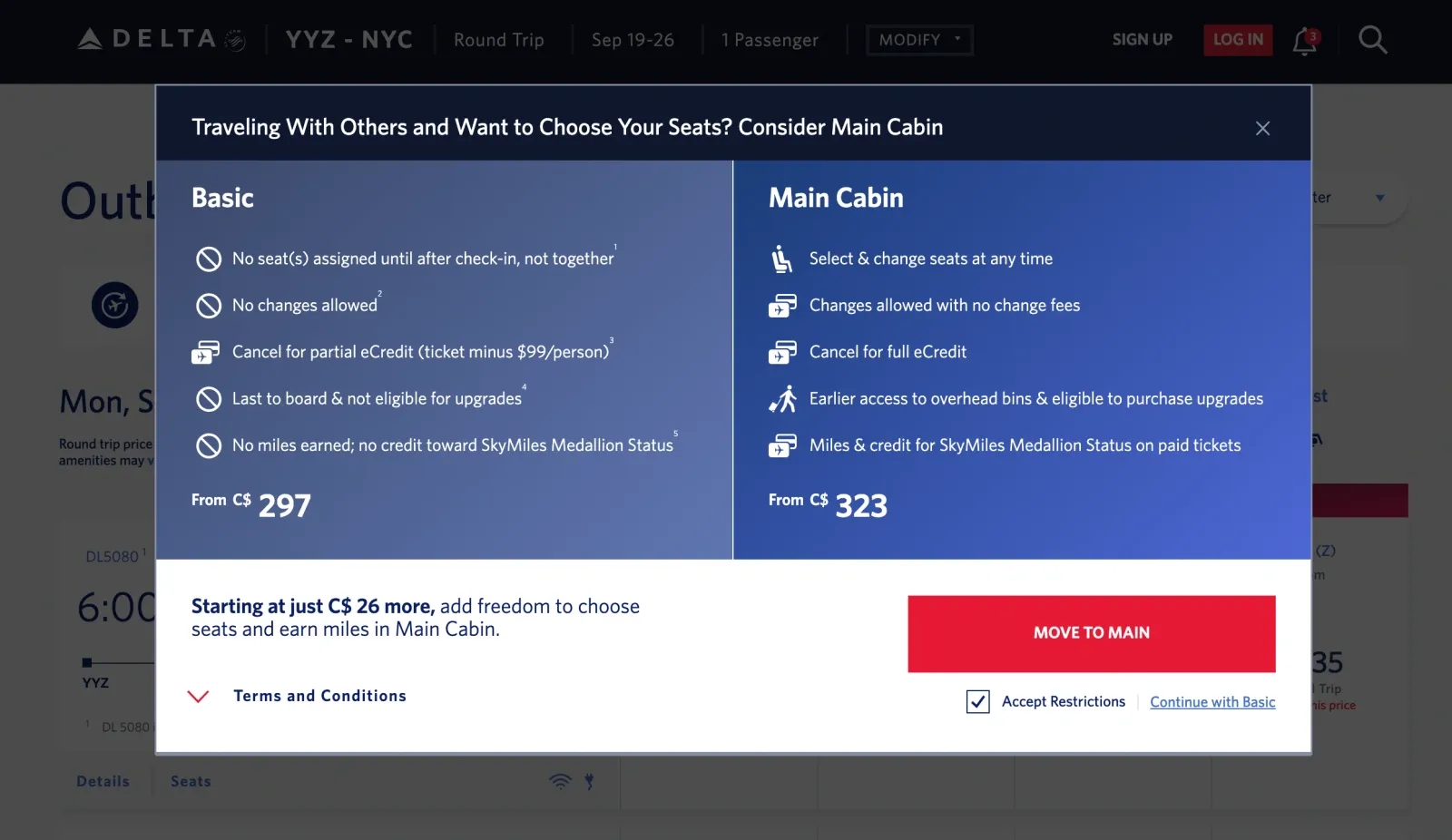
This involves not disclosing all fees and charges upfront. Websites using this tactic may conceal additional costs until the final stages of the checkout process, surprising users with unexpected expenses after they have committed to a purchase. This can lead to frustration and potential abandonment of the shopping cart.
Forced Continuity
This tactic makes it difficult for users to cancel subscriptions or opt out of services. Websites employing this pattern may require multiple steps, hidden options, or even a phone call to cancel, thereby keeping users subscribed and continuously charging them without their straightforward consent.
False Urgency
This tactic creates an artificial sense of urgency through fake countdown timers or limited availability notices. The aim is to pressure users into making quick decisions by making them feel that an offer or product is only available for a limited time, which can lead to impulse purchases that they may later regret.

Privacy Zuckering
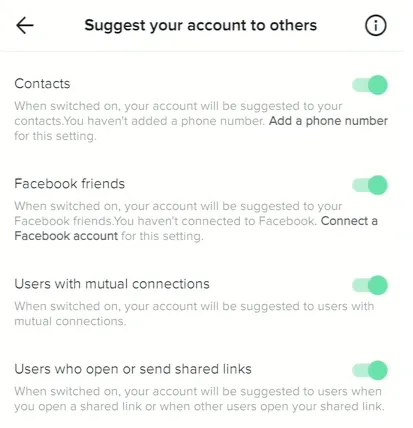
This involves tricking users into sharing more personal information than they intended. Websites may use confusing privacy settings, pre-checked boxes, or misleading language to get users to share data they would otherwise keep private.
Bait and Switch
This deceptive pattern occurs when a user takes an action expecting one outcome but is presented with something entirely different. For instance, clicking a button that appears to perform one function but actually results in an unwanted action, like signing up for a newsletter.
Roach Motel
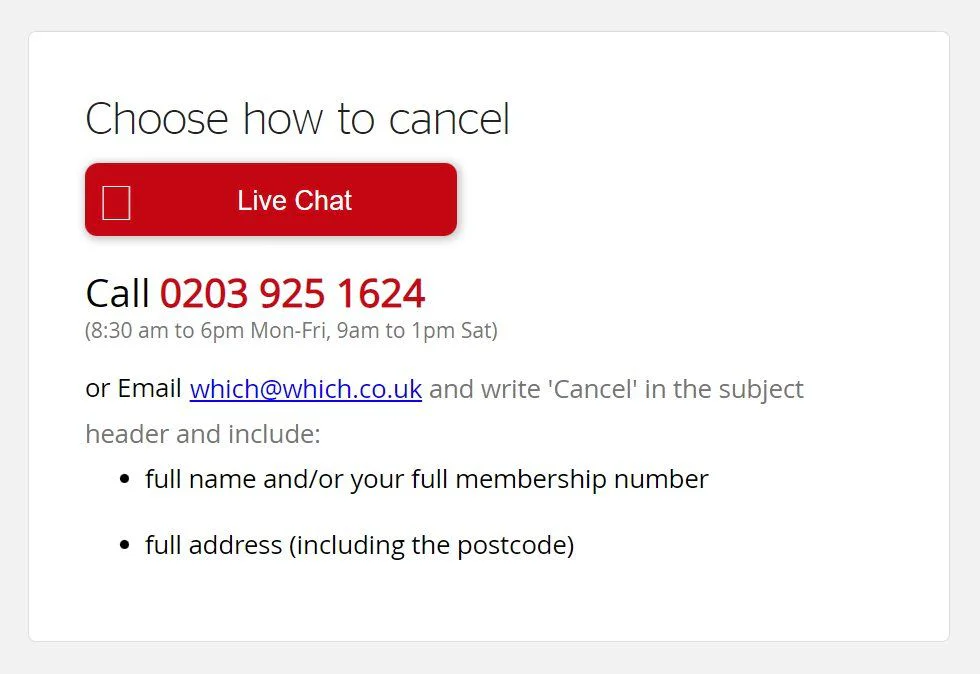
These are situations where websites make it easy to get into a particular situation but very hard to get out. A common example is a subscription service that is easy to sign up for but requires multiple steps or even a phone call to cancel.
Confirmshaming
This tactic uses guilt or shaming language to coerce users into opting in for something. For example, when attempting to decline an offer, the decline button might say something like “No thanks, I don’t want to save money.”
Sneak into Basket
This pattern adds additional products or services to a user’s shopping cart without clear consent. Users may find extra items added during checkout that they did not intend to purchase, often through the use of pre-checked boxes.
Disguised Ads
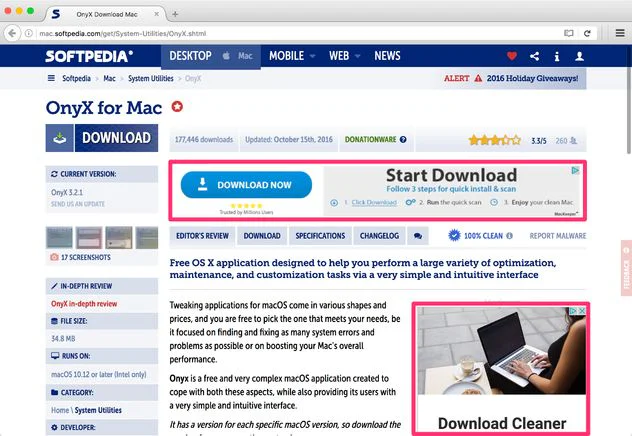
These are advertisements that are disguised as other types of content or navigation elements. Users might click on what they think is a link or button related to the site’s primary content, only to be taken to an ad.
Trick Questions
These are questions in forms or surveys designed in a way that can easily confuse users into giving the wrong answer. For example, using double negatives or complex phrasing that makes it hard for users to understand what they are agreeing to.
Emotional Exploitation in UX
Emotional exploitation in UX involves using tactics that manipulate users’ emotions to drive specific actions, often at the expense of their well-being. These tactics can include:
Fear Appeals
Leveraging fear to push users into making quick decisions, such as warning them about potential risks or losses if they don’t act immediately.
Guilt Tripping
Using guilt-inducing language to coerce users into taking actions they might not otherwise choose, like donating to a cause or signing up for a service.
Legal Implications of Dark Patterns
Using dark patterns in design not only undermines user trust and experience but also carries significant legal risks. As regulatory bodies and consumer protection laws increasingly focus on ethical practices in digital spaces, companies employing deceptive tactics face serious consequences. Below are some examples of the legal implications that dark patterns can entail:
Deceptive Trade Practices
Dark patterns can be considered deceptive trade practices under consumer protection laws. For instance, using misleading language or hidden fees can lead to lawsuits for false advertising or consumer fraud. Companies can face hefty fines and be required to make restitution to affected users.
Breach of Contract
When websites use deceptive patterns to trick users into agreeing to terms or making purchases, it can result in a breach of contract. If users can prove they were misled during the agreement process, they may be able to void the contract and seek damages.
Data Privacy Violations
Dark patterns that lead users to unintentionally share personal data can violate data protection laws, such as the General Data Protection Regulation (GDPR) in Europe or the California Consumer Privacy Act (CCPA) in the United States. Companies may face significant fines and be required to implement stricter data protection measures.
Unfair Competition
Engaging in deceptive patterns can be seen as an unfair business practice, giving companies an unethical advantage over competitors who follow fair practices. This can lead to legal action from competitors or regulatory bodies, resulting in fines and injunctions against the offending practices.
Subscription Traps
Forced continuity and difficult cancellation processes can violate laws regulating subscriptions and automatic renewals. Many jurisdictions require clear disclosure of terms and easy cancellation options. Failure to comply can result in penalties and mandatory refunds to consumers.
Class Action Lawsuits
Users affected by dark patterns may band together to file class action lawsuits against companies. These lawsuits can result in substantial settlements or judgments, forcing companies to compensate large groups of affected users.
Regulatory Scrutiny
Regulatory bodies, such as the Federal Trade Commission (FTC) in the U.S., actively monitor and take action against companies employing dark patterns. Investigations can lead to enforcement actions, including fines, mandatory changes to business practices, and public corrective statements.
By understanding these legal implications, companies can better assess the risks associated with using dark patterns and prioritize ethical design practices that protect both their users and their business interests.
Strategies for Ethical Web Design
In today’s digital landscape, the ethical design of websites and applications is more important than ever. As users become increasingly aware of manipulative tactics, they seek out platforms that prioritize their well-being and respect their autonomy. By adhering to principles of transparency, respect, and user-centred design, companies can build trust and foster long-term loyalty among their users. The following strategies outline key practices for creating ethical user experiences:
Transparency is Key
When designing user experiences, it is crucial to be transparent with your intentions and actions. Users should not feel tricked or manipulated when interacting with a website.
Respect User Autonomy
Users have the right to make informed decisions without coercion or deception. Designers should respect the autonomy of users by providing clear information and options.
Prioritize User Well-being
User experience design should prioritize the well-being and satisfaction of users above all else. Manipulative tactics that exploit users for profit are unethical and damaging to both individuals and society as a whole.
Ethical user experience design requires honesty, respect for autonomy, and a focus on user well-being. By designing with integrity, designers can create positive experiences that benefit both users and businesses in the long run.
Creating a Culture of Integrity in Your Design Team
Fostering a Team-Wide Commitment to Ethical Design
Building a culture of integrity within your design team starts with a shared commitment to ethical principles. Encourage open discussions about ethical dilemmas and the impact of design decisions on users. Set clear expectations that prioritize user well-being, honesty, and respect. Leadership should model ethical behaviour and provide support for team members facing challenging design choices. Regularly review design practices to ensure they align with these values, and celebrate examples of ethical decision-making within the team.
Training and Resources for Continuous Improvement
Investing in ongoing training and resources is essential for maintaining an ethical design culture. Provide access to workshops, courses, and seminars focused on ethical design principles and best practices. Encourage team members to stay informed about the latest developments in user experience ethics through reading materials, webinars, and industry conferences. Create a library of resources, including articles, case studies, and guidelines, that team members can reference when needed. Additionally, establish a mentorship program where experienced designers can guide newer team members in making ethical decisions.
By fostering a commitment to ethical design and equipping your team with the necessary training and resources, you can create a culture of integrity that benefits both your users and your organization.
Partnering with Triple Dub Media for Ethical Website Design
At Triple Dub Media, we are dedicated to helping our clients create attractive websites that not only meet their business goals but also uphold the highest standards of ethical design. Our approach ensures that user trust, transparency, and respect for autonomy are at the forefront of every project. Here’s how we can assist you in building ethical online experiences:
Customized Ethical Design Solutions
We tailor our design strategies to fit the unique needs of your business while ensuring that ethical principles are integrated throughout the user experience. From the initial concept to final implementation, we prioritize user well-being and transparency.
Expert Consultation and Guidance
We provide comprehensive consultations in UX and UI design to identify potential ethical pitfalls and recommend best practices. We work closely with you to develop solutions that respect user autonomy and foster trust.
Partnering with Triple Dub Media means you are choosing a commitment to integrity, user-centred design, and long-term success. Let us help you create a digital presence that not only achieves your business objectives but also builds lasting trust with your users. Reach out to us today to learn more about how we can support your journey towards ethical website design.
Further Reading and Additional Resources
If you’d like to learn more about dark patterns, here are some links to explore:
- Deceptive Patterns – https://www.deceptive.design
Formerly known as darkpatterns.org, Deceptive Patterns was created by Dr. Harry Brignull, who coined the term “dark patterns” and the more recent “deceptive patterns”. - UXPin – Article: Dark Patterns in UX Design — Which Ones Are the Most Deceptive?
- Dark Patterns Hall of Shame – https://hallofshame.design